Engineering Portfolio

Swagelok Colorado
Manufacturing Documentation Improvements & Process Standardization
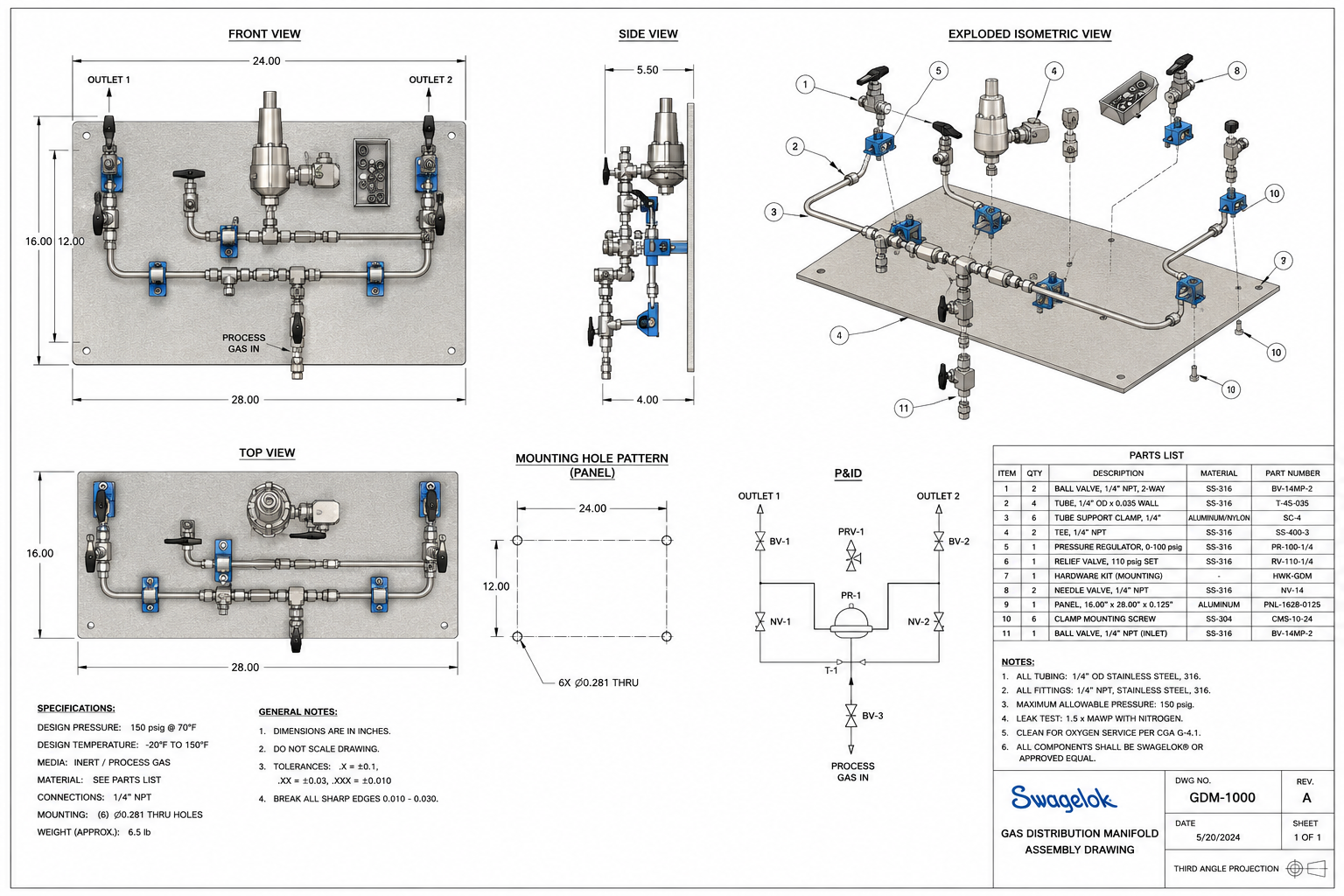
While working at Swagelok, I led significant improvements to the quality, consistency, and utility of production documentation used for fabrication, inspection, assembly, and testing of high-purity gas handling systems.
A long-standing issue within production operations involved fabricated sheet metal components arriving from suppliers with dimensional discrepancies or missing features, often requiring rework or replacement after receipt. Many of the existing production drawings lacked consistent GD&T standards, detailed fabrication references, or sufficient inspection documentation.
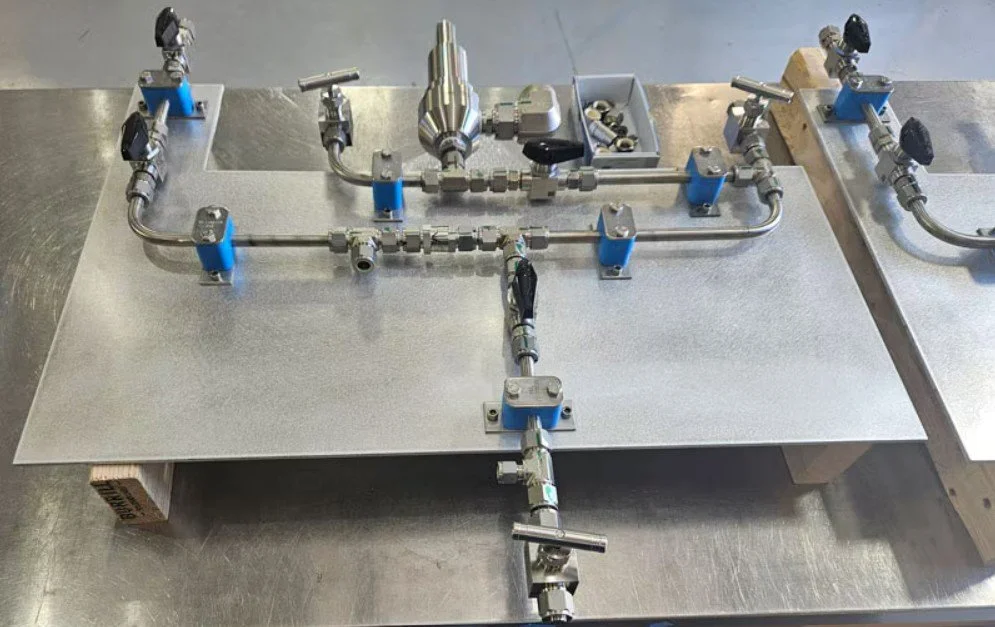
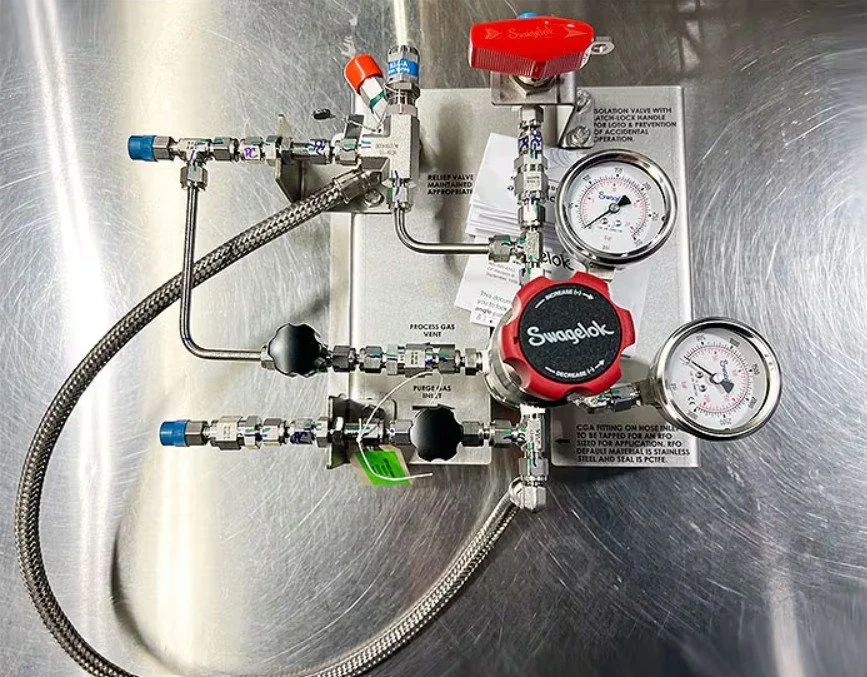
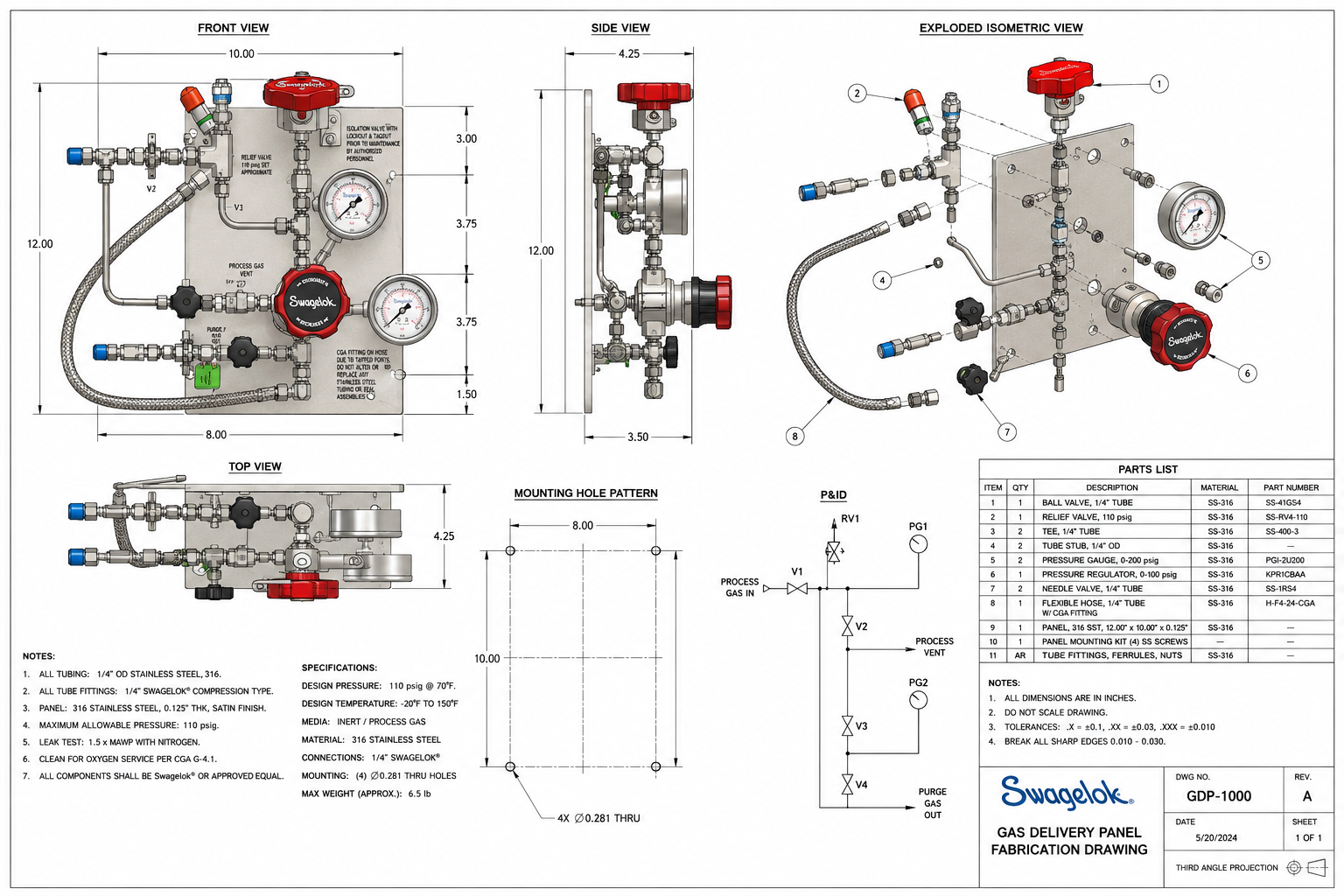
To improve manufacturing quality and communication, I revised and standardized production drawing practices across multiple product lines. This included updating drawings to modern GD&T standards, incorporating P&IDs and weld maps directly into production packages, and developing helium leak testing documentation to support final inspection and quality verification processes.
I also worked closely with outside fabrication vendors and internal inspection personnel to ensure suppliers consistently received current and accurate drawing packages, and that incoming inspectors had the necessary documentation to properly verify manufactured components upon receipt.
These improvements significantly reduced recurring fabrication issues, improved manufacturing communication between engineering and suppliers, and provided assemblers and inspectors with more complete process documentation throughout production and testing operations.
Major Highlights:
Improved production drawing quality and standardization for high-purity gas handling systems
Updated drawings to current GD&T standards
Added P&IDs, weld maps, and helium leak testing documentation
Improved communication between engineering, suppliers, inspectors, and assembly teams
Ensured suppliers consistently received current and accurate fabrication drawings
Reduced recurring sheet metal fabrication and rework issues
Improved inspection and assembly documentation throughout production
Increased manufacturing efficiency by providing clearer production references
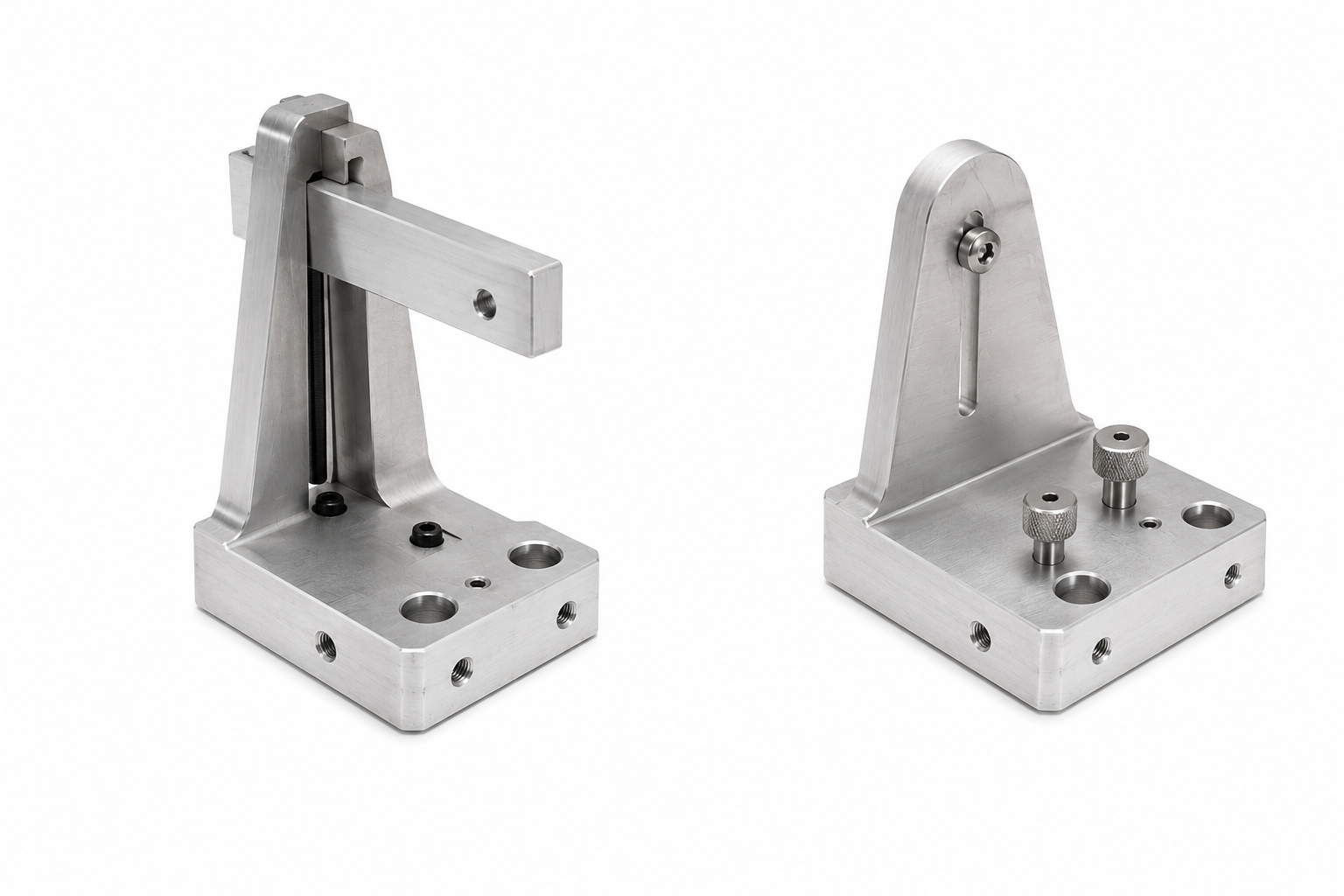
Orbital welding tube supports
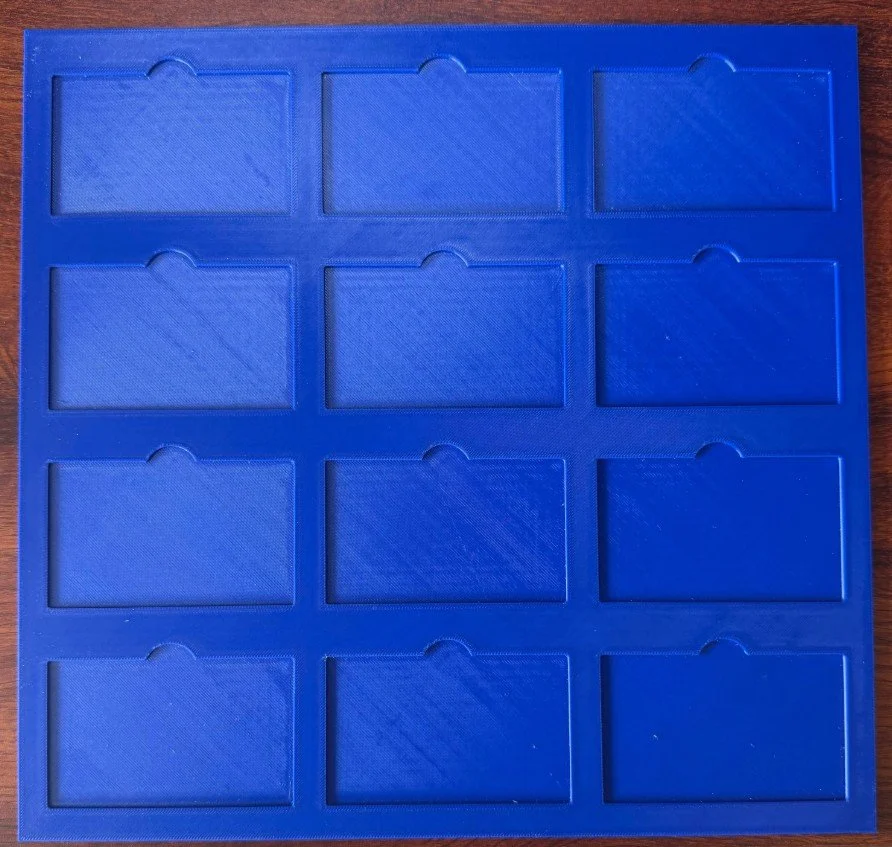
3D printed lasering jig
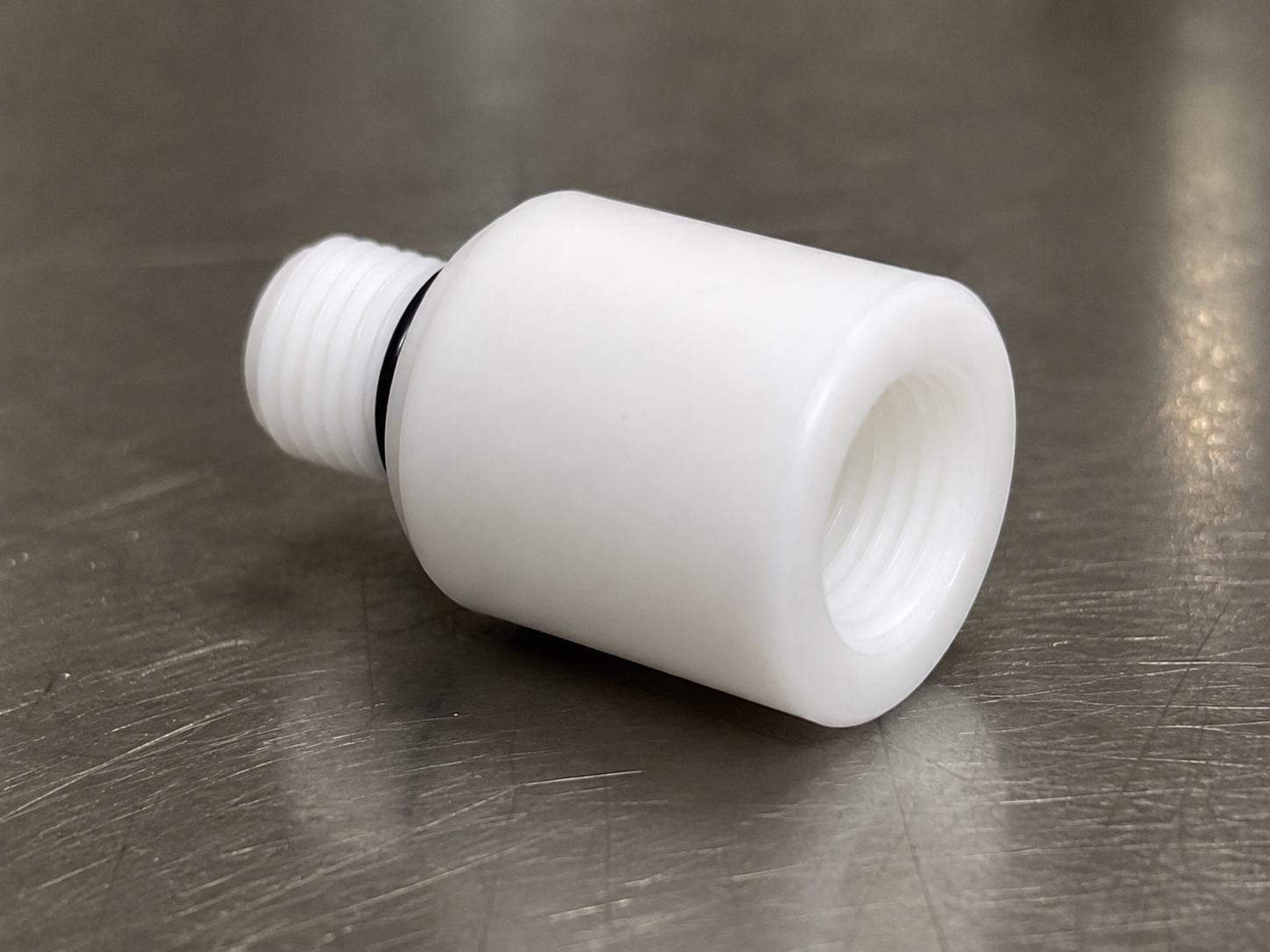
Adapter for leak testing
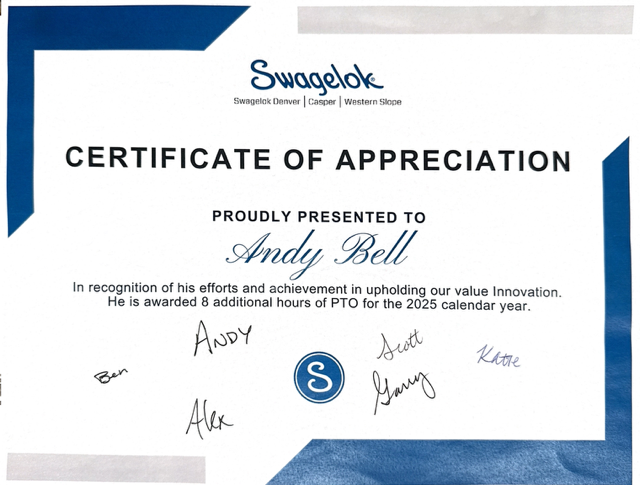
Innovation award
Production Efficiency & In-House Manufacturing Improvements
While working at Swagelok, I developed and implemented several tooling, fixture, and process improvements intended to increase manufacturing efficiency, reduce outsourcing requirements, and improve support for production and testing operations within the shop.
These projects ranged from custom orbital welding tooling to 3D printed production fixtures and helium leak testing components. Many of the improvements were developed and implemented with short lead times to quickly address production needs and improve day-to-day manufacturing operations.
One project involved the development of adjustable orbital welding tube supports used during fabrication of high-purity tubing assemblies. The supports improved setup consistency and reduced fabrication difficulties during welding operations. Multiple production-ready sets were manufactured and implemented internally, reducing cost and lead time compared to commercially sourced alternatives.
I also designed and produced a 3D printed laser engraving fixture that allowed stainless steel identification tags to be engraved in-house rather than outsourced. The fixture improved engraving consistency, reduced turnaround time, and simplified repeat production operations.
In support of helium leak testing operations, I designed a replacement Delrin test fitting to replace a legacy component that was no longer commercially available. The new fitting restored testing capability while improving long-term maintainability of the leak testing process.
These projects contributed to improved production flexibility, reduced outsourcing dependence, and increased support for internal manufacturing and testing operations. In recognition of these efforts and other process improvements, I was awarded a company Certificate of Appreciation for innovative contributions.
Major Highlights:
Designed and implemented custom tooling and production improvements for manufacturing operations
Developed adjustable orbital welding tube supports for high-purity tubing fabrication
Reduced cost and lead time by manufacturing tooling internally
Designed a 3D printed laser engraving fixture for stainless steel identification tags
Enabled in-house laser engraving operations previously outsourced
Designed a replacement Delrin fitting for helium leak testing operations
Restored functionality for a legacy testing process using internally developed components
Improved manufacturing efficiency, flexibility, and production support capabilities
Received company recognition for innovation and process improvement contributions

Jefferson County Public Schools
FIRST® Robotics Competition - Robotics Program Leadership & Advanced Manufacturing Education
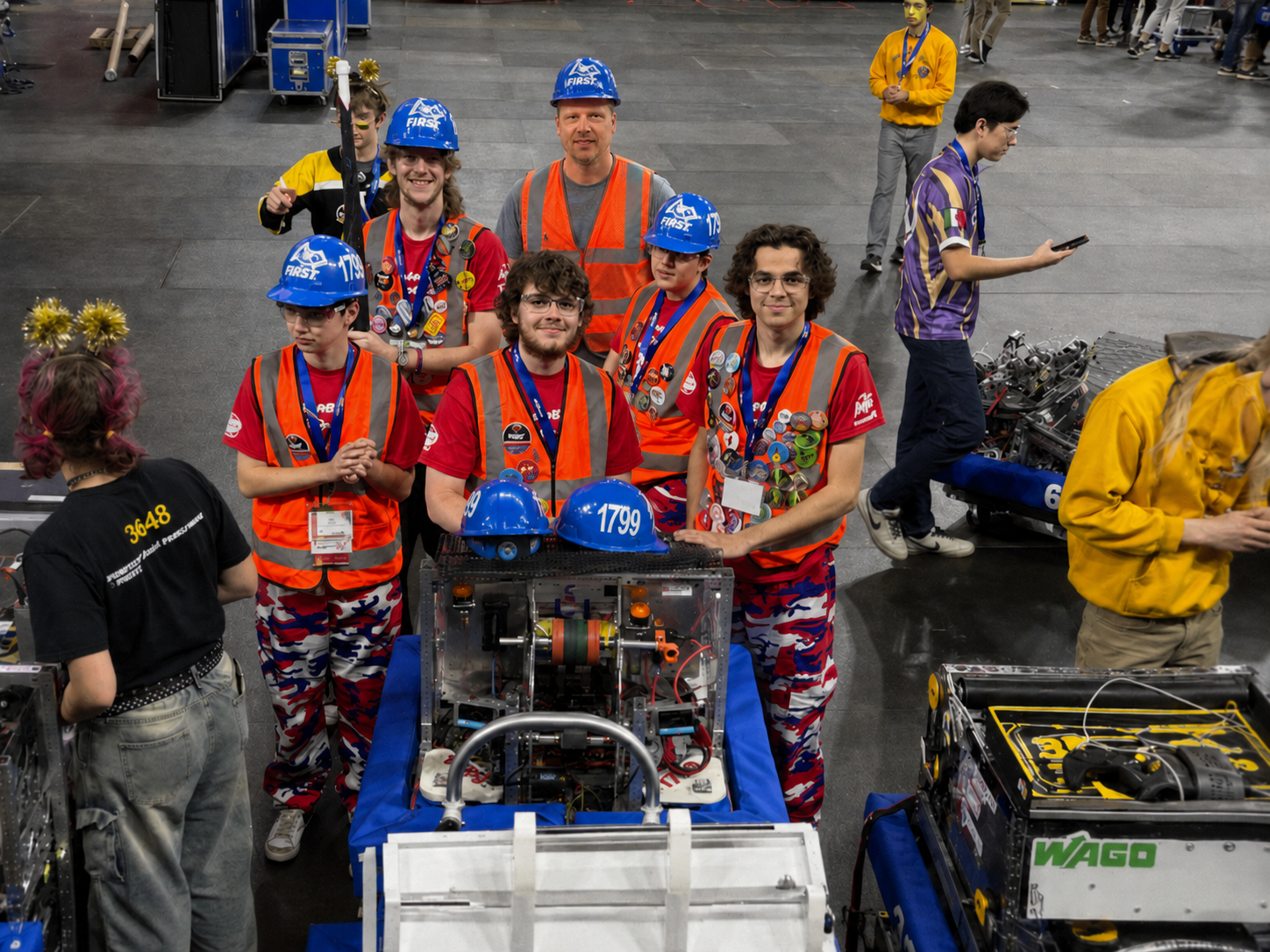
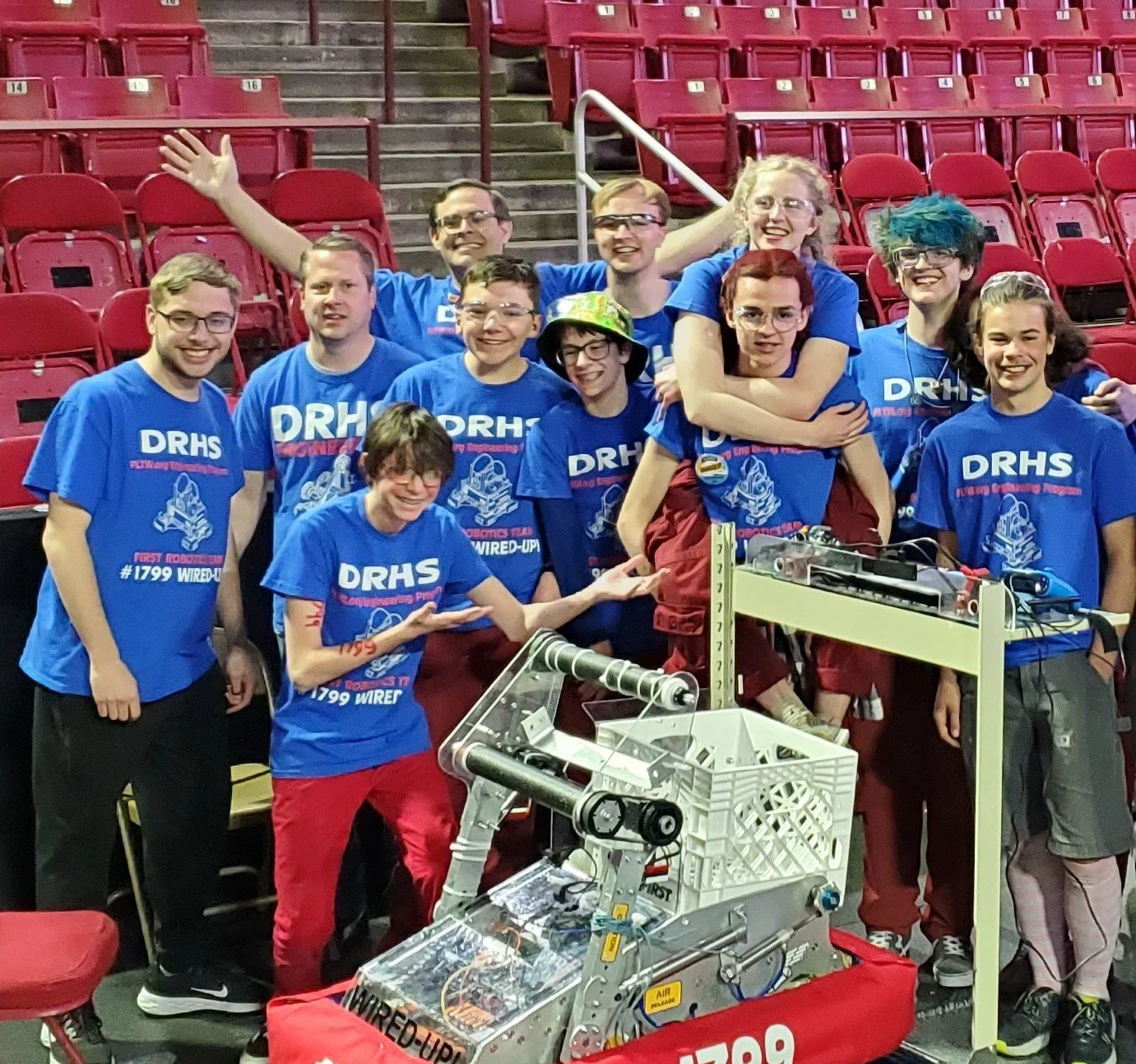
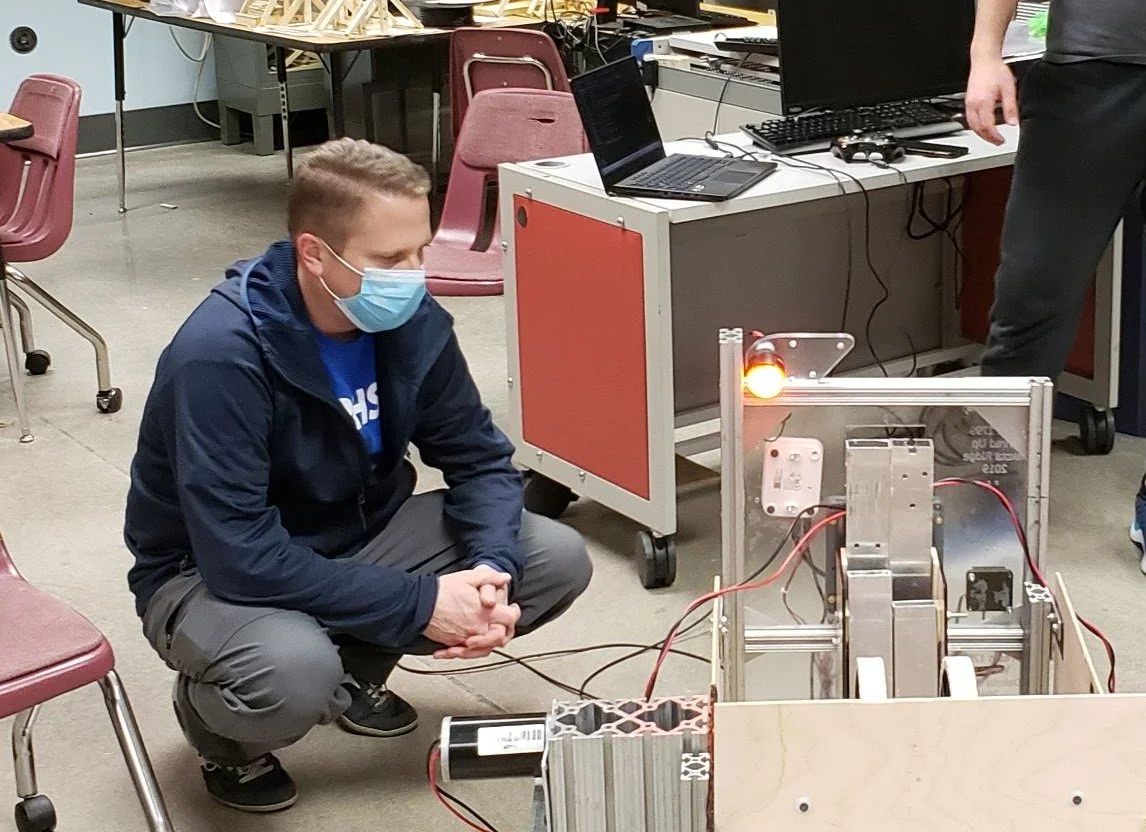
In addition to my engineering and manufacturing experience, I have been heavily involved in STEM and robotics education through the FIRST® Robotics Competition program. I coached Team #1799, “WiredUp!”, and later founded Team #9552, “Rambotics,” helping students develop hands-on experience in engineering design, manufacturing, programming, electrical systems, and competitive robotics.
As coach of Team #1799 in 2023, I helped lead the team to victory at the Denver Regional competition, earning a qualification to compete at the FIRST® Championship in Houston, Texas against top robotics teams from around the world.
In 2024, I founded Team #9552, “Rambotics,” helping establish the team’s engineering structure, manufacturing processes, equipment, mentoring approach, and technical training programs.
My involvement with FIRST® Robotics included mentoring students in:
Mechanical design
CAD modeling
CNC manufacturing
3D printing
Electrical integration
System troubleshooting
Fabrication and assembly
Team-based engineering problem solving
The program provided opportunities to combine hands-on manufacturing, leadership, project management, and technical mentorship in a fast-paced engineering environment.
Major Highlights:
Coached FIRST® Robotics Competition Team #1799 “WiredUp!”
Led Team #1799 to victory at the 2023 Denver Regional, Qualified for the FIRST® Championship in Houston, Texas
Founded Team #9552 “Rambotics” in 2024
Mentored students in CAD, manufacturing, fabrication, and robotics systems
Ellicott Dredge Technologies
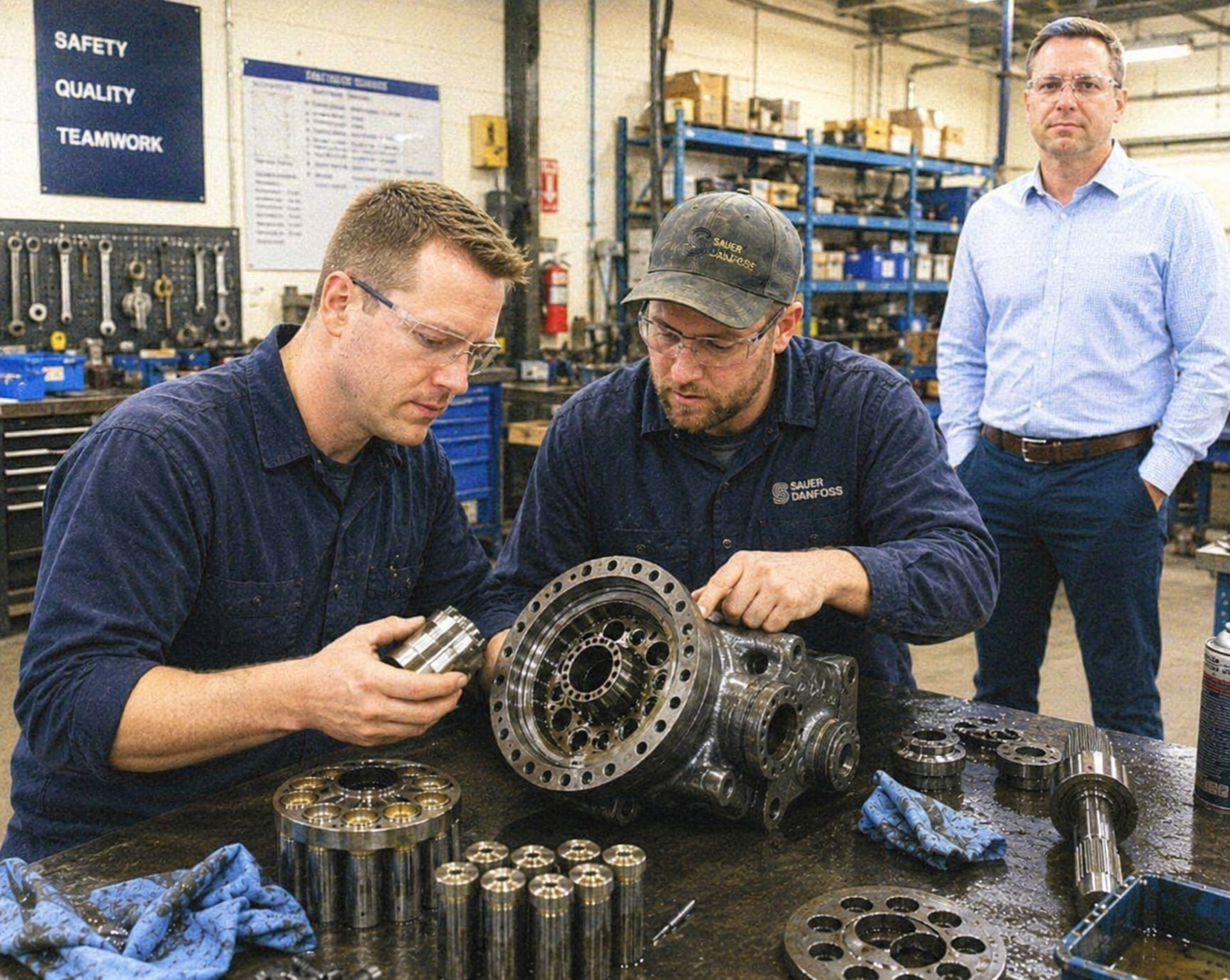
Inspecting a failed motor
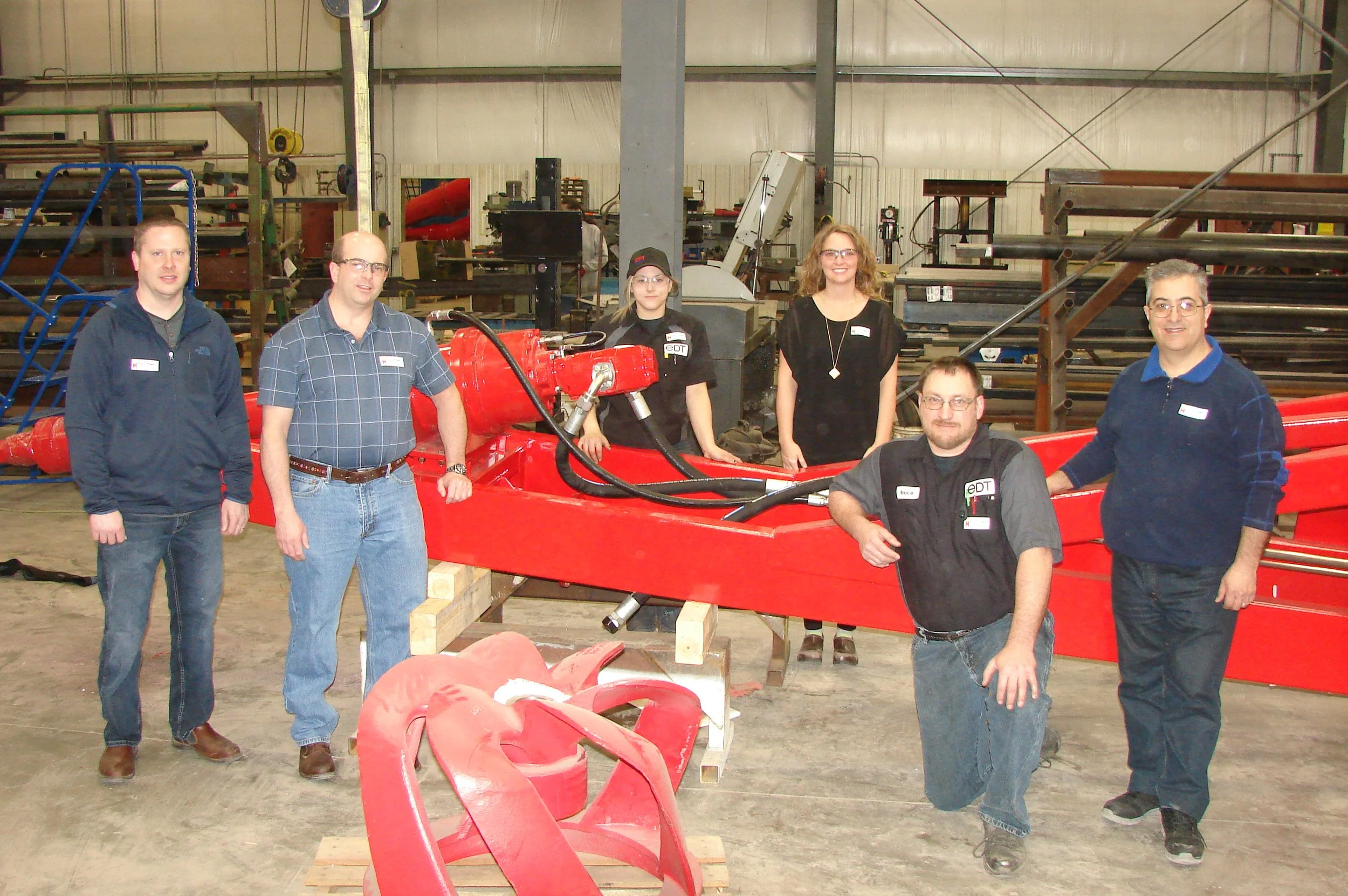
Great team effort!
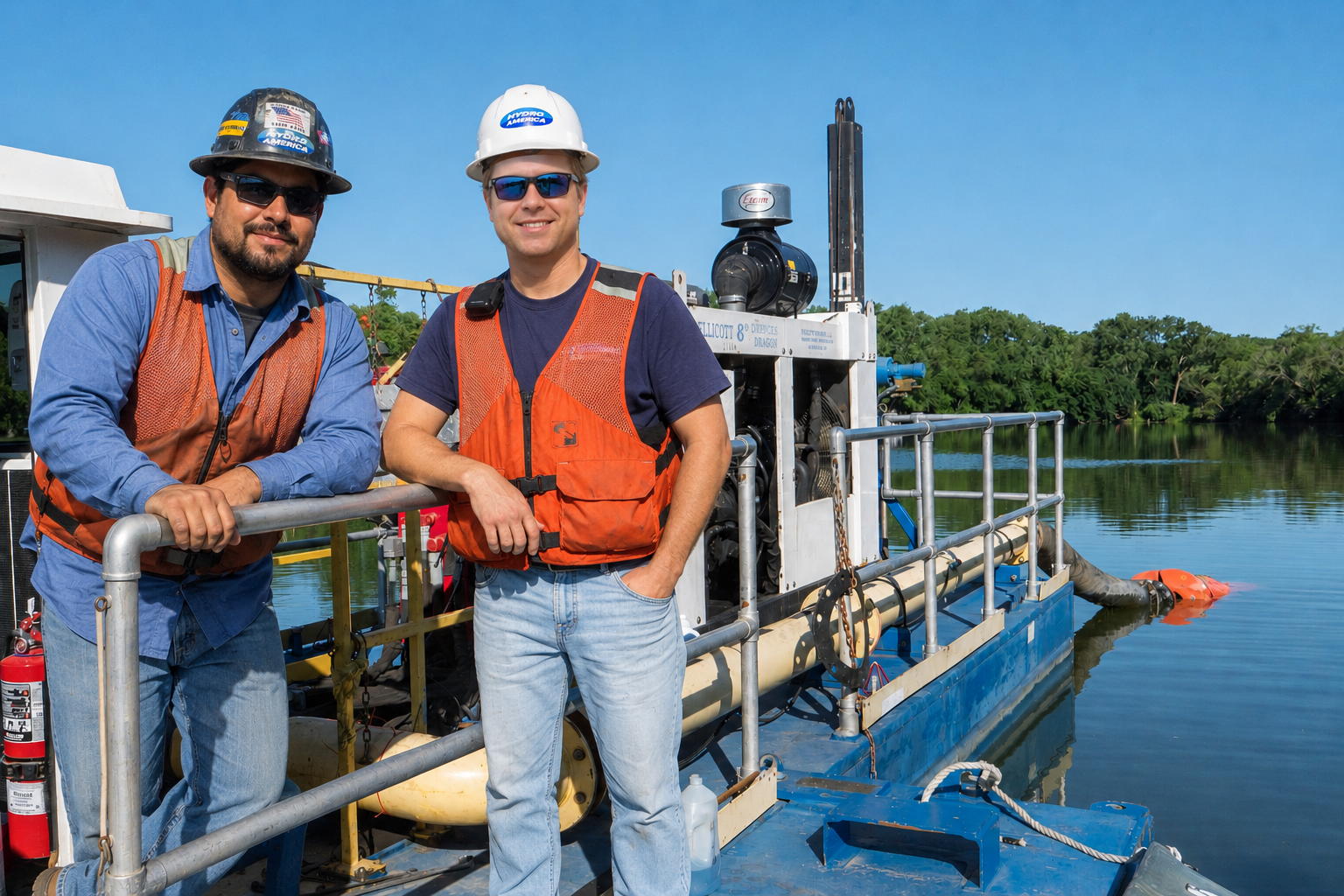
A happy customer in the end
Hydraulic Motor Failure Investigation - Root Cause Analysis & Process Improvement
During commissioning of several hydraulic dredging systems, a specific model of bent-axis axial piston hydraulic motor began experiencing premature failures during field startup and operation. The failures occurred shortly after the equipment was placed under load at customer sites, resulting in damaged internal components, equipment downtime, and costly field replacements.
As part of the engineering team at Ellicott Dredge Technologies, I worked directly with manufacturing personnel, field service teams, and the hydraulic motor supplier to investigate the failures and determine the root cause.
Initial investigation revealed that although the motors had been functionally tested in-house prior to shipment, the testing process did not fully simulate actual operating conditions experienced in the field. The motors were not being run long enough to fully lubricate all internal moving components, and they were not subjected to representative operating loads during shop testing.
Once the dredges were started under full operational load at customer sites, insufficiently lubricated internal piston components experienced galling and rapid failure.
To support the investigation, I traveled to multiple customer sites to retrieve failed motors, oversee replacements, and document field operating conditions. I then worked directly with the motor manufacturer to deconstruct and analyze the failed units as part of a formal failure analysis process.
Following the investigation, we revised the startup and testing procedures used during in-house commissioning to better simulate real operating conditions. This included extended runtime requirements, revised startup sequencing, and application of representative operating loads during testing.
The updated procedures successfully eliminated the recurring failures and significantly improved field reliability during startup and commissioning operations.
Major Highlights:
Investigated hydraulic motor failures during dredge commissioning
Performed root cause analysis with supplier and field teams
Identified insufficient lubrication and unrealistic shop testing conditions
Retrieved failed motors and supported field replacements
Coordinated teardown inspections and failure analysis
Revised startup and commissioning procedures
Implemented extended runtime and load testing
Eliminated recurring startup failures
Improved field reliability and commissioning performance
Hose Storage and Handling System - Manufacturing Process Improvement & Material Handling Design
While working at Ellicott Dredge Technologies, I designed and implemented a hydraulic hose storage and handling system intended to improve the safety, efficiency, and organization of hose fabrication operations within the manufacturing facility.
Large hydraulic hose spools used in production often weighed several hundred pounds and required significant manual handling during hose fabrication. The previous process was inefficient, difficult to manage safely, and lacked an accurate method for measuring hose lengths during production.
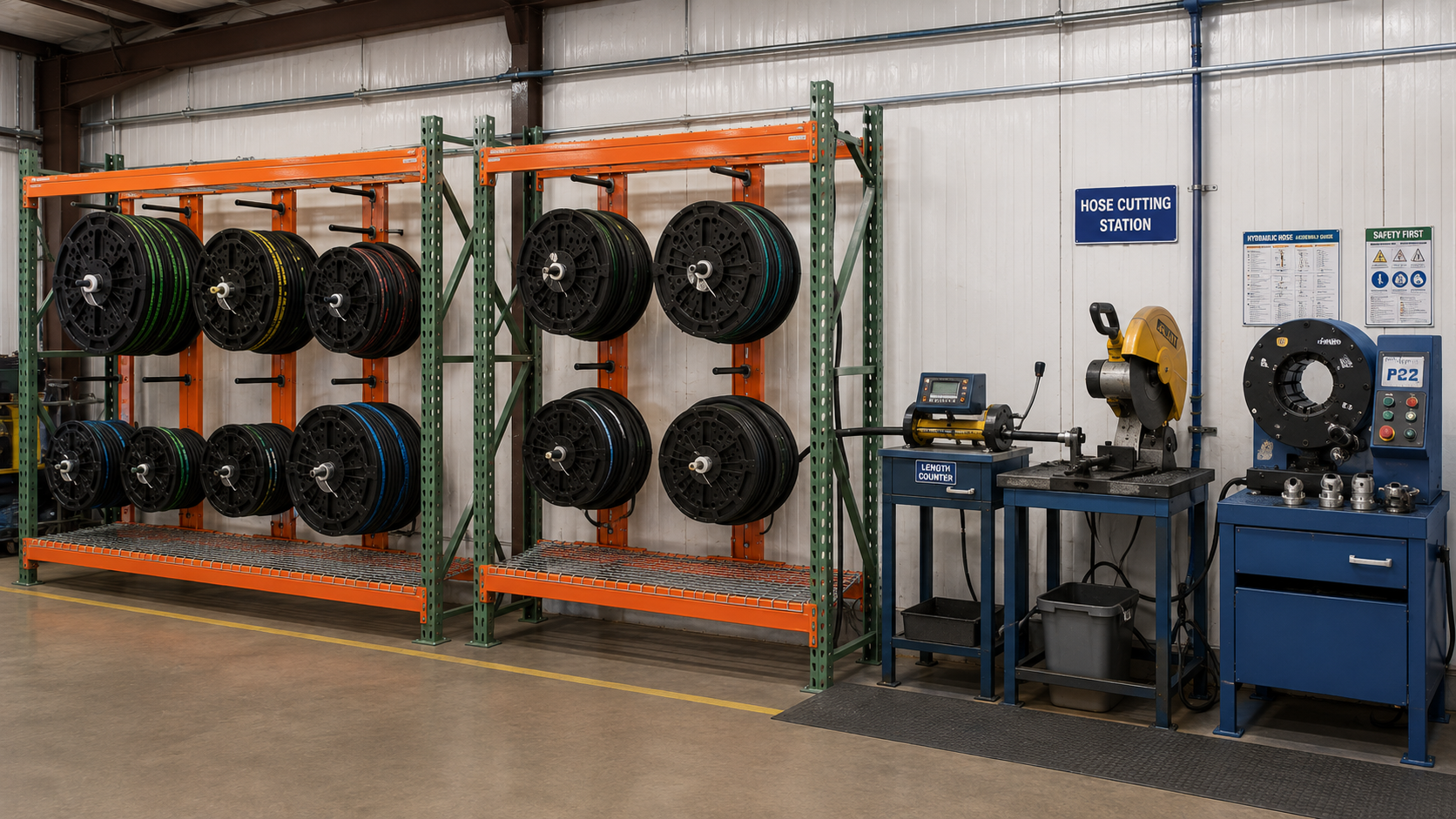
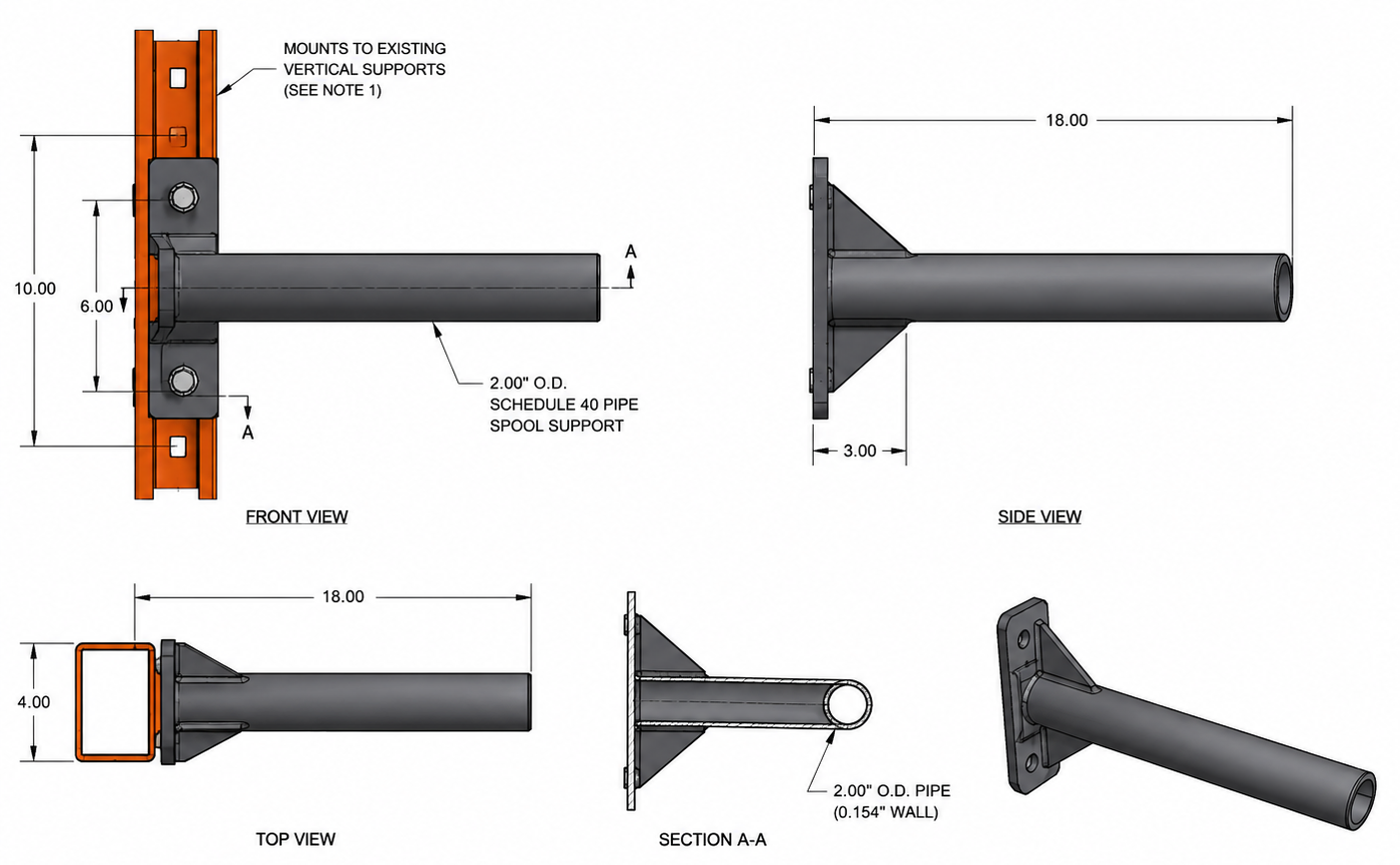
To improve the process, I designed a custom spool handling and storage system that integrated directly into the hose fabrication workflow. The system included a forklift-mounted spool holder that allowed large hose reels to be safely transported and hung on existing storage racks adjacent to the hose crimping station.
Once mounted, hose could be safely dispensed through a length counter and chop saw prior to crimping operations, significantly improving workflow efficiency and reducing manual handling requirements.
The project improved shop safety, reduced hose fabrication time, improved material handling ergonomics, and introduced automatic hose length measurement capabilities that were not previously part of the manufacturing process.
Major Highlights:
Designed a hydraulic hose storage and handling system for manufacturing operations
Developed a custom forklift-mounted spool handling attachment
Reduced manual handling of large hydraulic hose reels
Improved safety and ergonomics during hose fabrication
Integrated automatic hose length measurement into the production process
Improved workflow efficiency at the hose crimping station
Reduced hose fabrication time and material handling effort
Utilized existing shop storage infrastructure to minimize implementation cost
Dynamic Air, Inc.
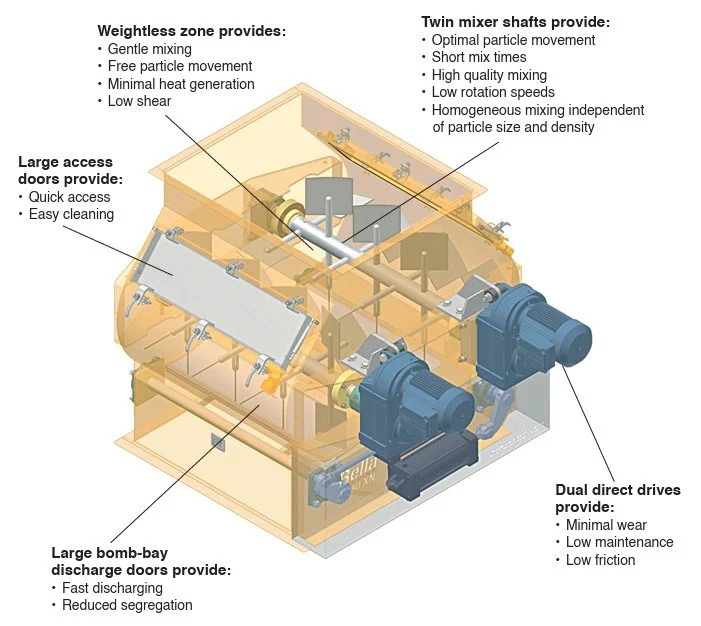
Bella® Fluidized Zone Mixer - Product Development & Scalable Manufacturing System Design
The Bella® Fluidized Zone Mixer was developed as part of a collaborative product development effort with a major household goods manufacturer developing a new consumer cleaning product that required highly controlled particle coating and mixing processes.
As part of the engineering team at Dynamic Air Inc., I helped develop and refine the Bella® mixer platform from early prototype stages through full production deployment. The project involved the development of a scalable mixing and spray-layering system capable of producing highly uniform coated particles while minimizing shear, segregation, and heat generation.
To validate scalability and process consistency, three progressively larger prototype systems were developed:
3.2 liter
32 liter
320 liter
These systems were used to confirm process repeatability and production scalability prior to commercial deployment.
My primary engineering responsibilities included the mechanical design and development of:
Drive systems
Twin mixing shafts and paddle assemblies
Spray layering systems
Large bomb-bay discharge doors
Mechanical assemblies optimized for manufacturability and maintenance access
Following successful testing and validation, multiple production mixers were deployed internationally to support full-scale manufacturing operations for the new product line.
In addition to development work, I also supported field installation and commissioning activities for Bella® mixers at customer manufacturing facilities in the food and beverage industry.
The Bella® platform became a successful long-term product line for Dynamic Air and demonstrated the effectiveness of scalable prototype development, collaborative engineering, and manufacturing-focused product design.
Major Highlights:
Helped develop a scalable industrial mixing platform for a major consumer products application
Collaborated directly with customer engineering and process development teams
Supported development of 3.2L, 32L, and 320L prototype systems
Designed drive systems, mixing shafts, paddles, and spray layering systems
Designed large bomb-bay discharge doors and supporting mechanical assemblies
Supported successful scale-up from prototype to commercial production
Contributed to international deployment of production mixer systems
Assisted with field installation and commissioning at customer facilities
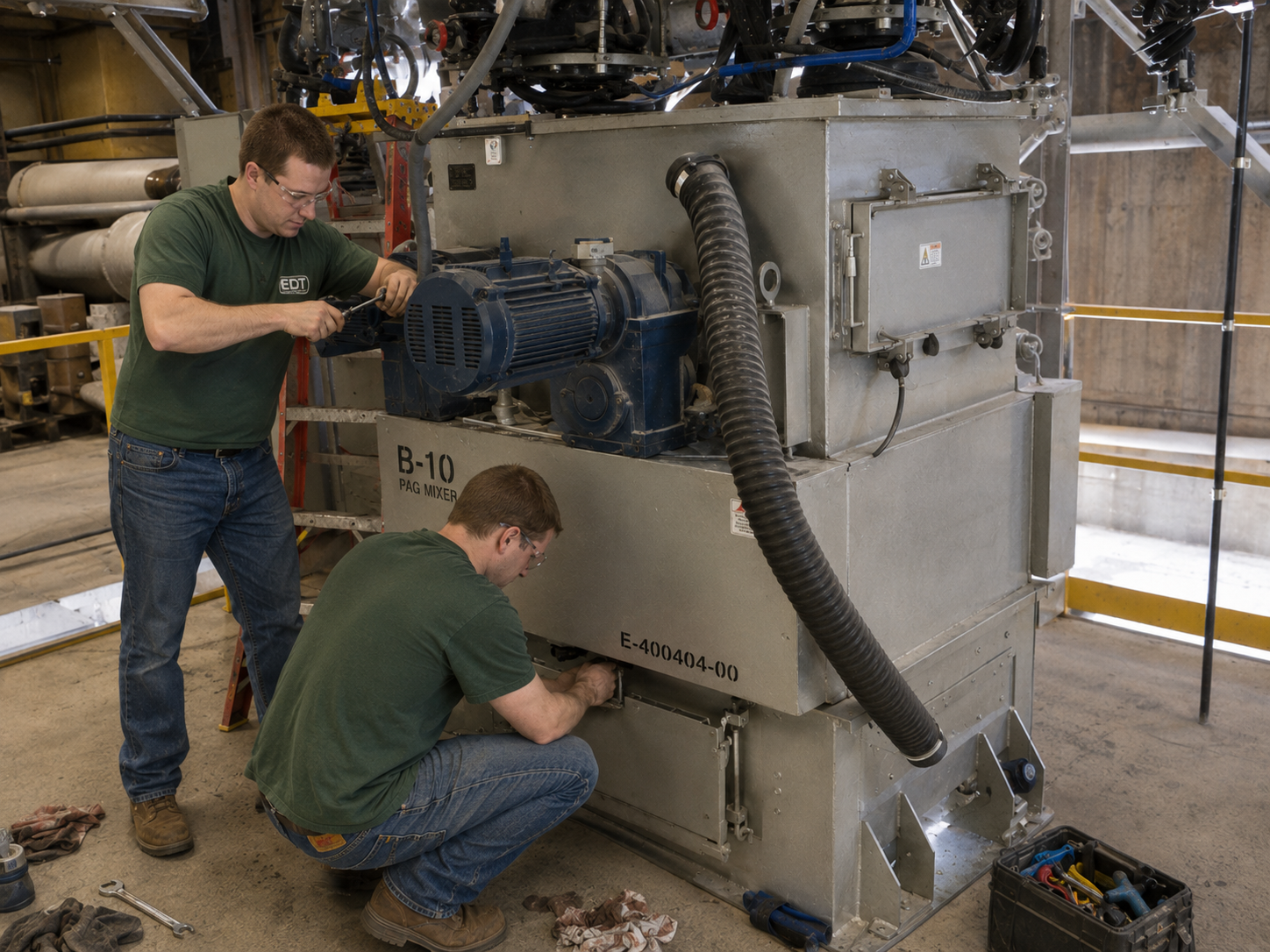
Factory installation
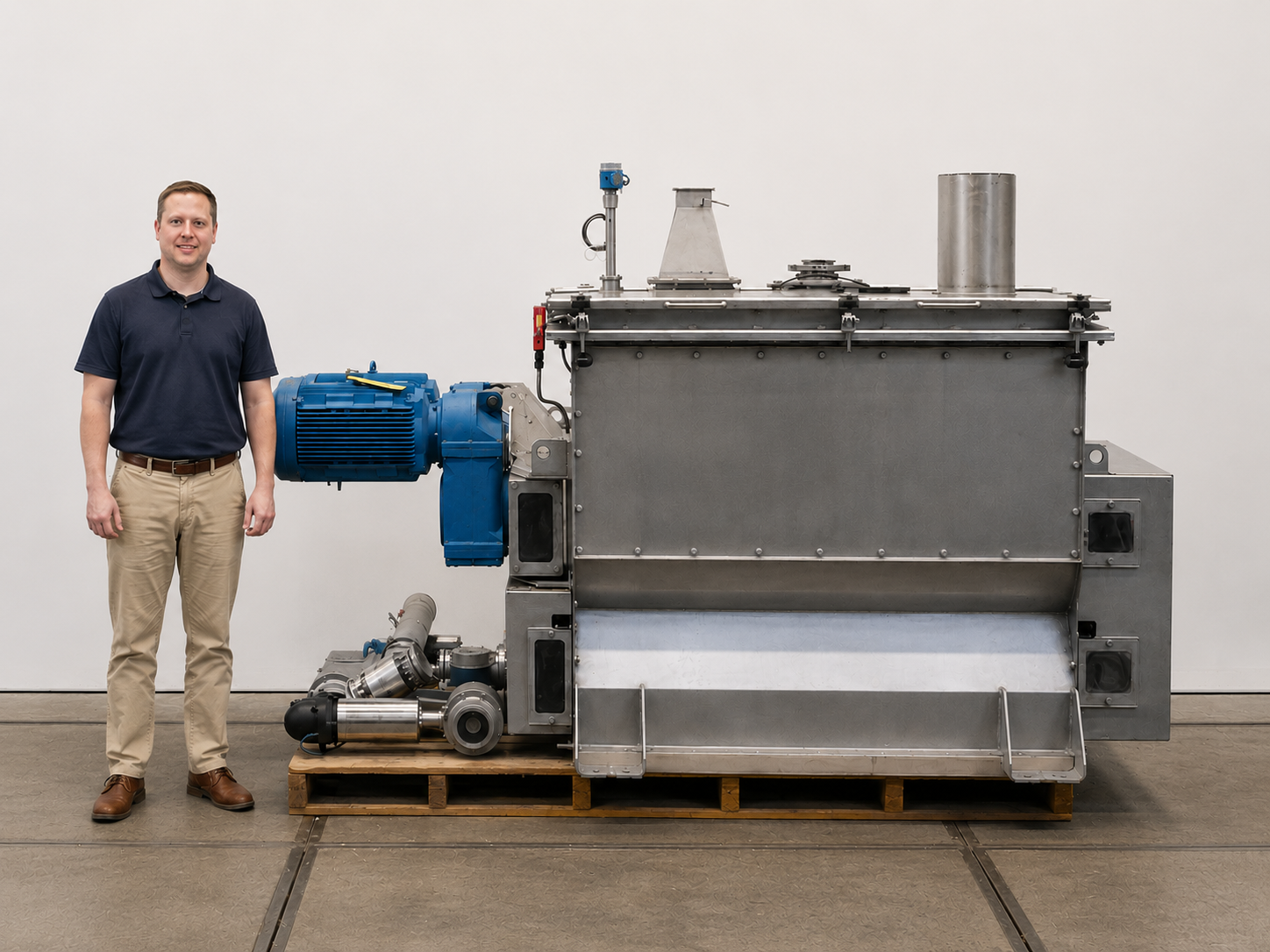
Our first prototype!